
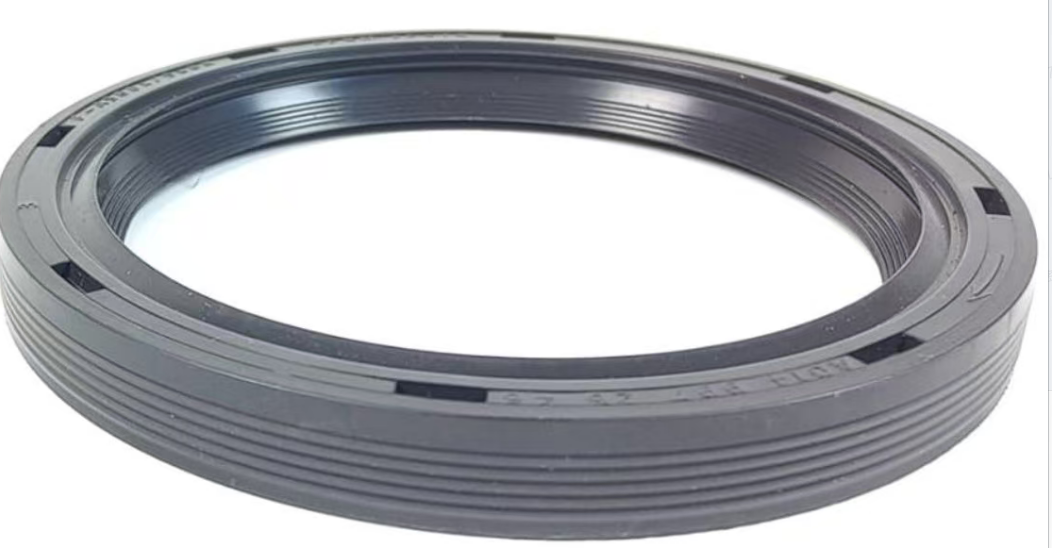
Automotive Crankshaft Front Oil Seal: Dynamic Sealing Structure, Material Evolution, and System Function Optimization
In the complex internal system of an engine, the crankshaft, as a core moving part, presents a critical challenge in sealing technology at the dynamic interface between its front end and the stationary cylinder block. The crankshaft front oil seal is a precision component that performs this crucial task, and its performance directly affects the reliability, efficiency, and lifespan of the engine. This article will delve into the system function, dynamic sealing structure, material development path, and comprehensive technical advantages of this component.
I. System Function: Precise Management of Dynamic Boundaries
The core mission of the crankshaft front oil seal is to establish and maintain a reliable dynamic sealing barrier between the high-speed rotating crankshaft and the static engine front cover. Its main functions are twofold:
Oil Sealing: Ensuring the Integrity of the Lubrication System
The engine interior is filled with pressurized engine oil for lubrication and cooling. The primary function of the front oil seal is to ensure that the engine oil is strictly sealed within the engine, preventing leakage from the gap at the front end of the crankshaft. Any minor leakage not only leads to abnormal oil consumption but also causes lubrication failure of critical friction pairs such as crankshaft journals and connecting rod bearings due to reduced oil pressure or insufficient oil volume, potentially leading to abnormal wear and even serious mechanical failures such as cylinder scoring and bearing seizure.
Dust Prevention: Maintaining Internal Cleanliness
At the same time, the oil seal must effectively prevent dust, mud, moisture, and other contaminants from the external environment from entering the clean internal space of the engine. Once contaminants enter the oil circulation system, they will accelerate the oxidation and deterioration of the engine oil and act as abrasives, drastically increasing the wear of all moving parts such as piston rings, cylinder liners, and bearings, seriously threatening the durability and operational stability of the engine.
II. Dynamic Sealing Structure: An Embodiment of Precision Engineering
Modern high-performance crankshaft front oil seals are the product of precision design, usually employing a composite lip structure. Its main components include:
Metal Skeleton: As the structural foundation, it is usually stamped from rust-proofed low-carbon steel plate, providing the necessary rigidity for the oil seal to be accurately pressed into the engine seat bore and maintain a stable shape, withstanding assembly stress and working stress.
Main Sealing Lip: The core functional part, forming a dynamic sealing contact with the crankshaft journal surface. The sealing lip is typically optimized in design (e.g., pointed or parabolic shape) to achieve efficient sealing with low friction. The inner surface of the lip is often machined with unidirectional spiral oil return lines or micro-patterns, utilizing the pumping effect generated by crankshaft rotation to actively guide any potentially leaked oil back into the engine, achieving “active sealing.”
Dust lip: Located on the outside (atmospheric side) of the main sealing lip, forming a second barrier. Its main function is to block external contaminants, providing a relatively clean working environment for the main sealing lip and extending its service life.
Clamping spring: A spiral spring installed at the base of the main sealing lip, used to provide continuous, adaptive radial clamping force to automatically compensate for normal wear of the sealing lip material and any slight radial runout of the crankshaft, ensuring the durability and stability of the sealing pressure.
Outer circumferential static sealing layer: A rubber layer covering the outer cylindrical surface of the metal frame, usually with annular ribs. After press-fitting, the interference fit achieves an absolute static seal between the outer ring of the oil seal and the engine housing bore, preventing leakage or movement of the oil seal from this point.
III. Material Evolution: The Key to Performance Breakthroughs
The performance of sealing materials directly determines the operating range and lifespan of the oil seal. Its evolution reflects the adaptation to more demanding operating conditions:
Nitrile rubber: Widely used in the early stages, it has good resistance to mineral oil and cost advantages, but its high-temperature resistance (generally below 120°C for long-term use) is limited, making it increasingly difficult to meet the needs of modern engines.
Acrylic rubber: Has become the current mainstream choice, especially suitable for turbocharged engines. Its significant advantages lie in its excellent resistance to high-temperature hot oil (can withstand temperatures above 150°C for extended periods) and better wear resistance.
Fluororubber: Known as the “king of elastomers,” it exhibits outstanding performance in high-temperature resistance (over 200°C), resistance to various fuels, synthetic engine oils, and chemical media. It is mainly used in extremely demanding operating conditions, such as high-performance racing engines, top-of-the-line turbocharged engines, and heavy-duty diesel engines.
Polytetrafluoroethylene composite materials: Represent the cutting-edge direction. PTFE materials have a very low coefficient of friction, excellent chemical resistance, and wide temperature range stability. Oil seals made of PTFE composite materials (often supplemented with special lip designs or without springs) achieve ultra-low friction loss and exceptionally long service life, aligning with the development trend of high-efficiency and low-friction engines.
IV. Technical Advantages and Value
Modern crankshaft front oil seals, integrating advanced structures and materials, demonstrate significant comprehensive advantages:
High Reliability and Long Service Life: They can operate stably throughout the engine’s entire lifespan, even in harsh environments with high speeds, high temperatures, and pressure fluctuations, achieving the design goal of matching the engine’s lifespan.
Optimized Friction Performance: Precise lip design and the application of low-friction materials (such as PTFE) effectively reduce rotational resistance, directly contributing to improved engine mechanical efficiency and reduced fuel consumption.
Excellent Environmental Adaptability: They can withstand the combined effects of high-temperature engine oil, ozone, vibration, and pressure shocks, exhibiting slow performance degradation and ensuring long-term sealing effectiveness.
System Integration Guarantee: Its reliable sealing function is the fundamental prerequisite for ensuring clean lubrication inside the engine, maintaining normal oil consumption, and ultimately ensuring the long-term reliable operation of the entire powertrain.
Conclusion
Although small in size, the crankshaft front oil seal is a culmination of dynamic sealing technology in engines. Every evolution, from structural design to materials science, closely reflects the engine’s need for higher power density, higher thermal efficiency, and longer service life. A deep understanding of its “structure-material-function” synergistic optimization is crucial for understanding modern engine reliability engineering and the development of cutting-edge sealing technology. It is not only a component that prevents leakage but also a key element in improving the overall performance and durability of the engine.
Post time: Dec-30-2025