
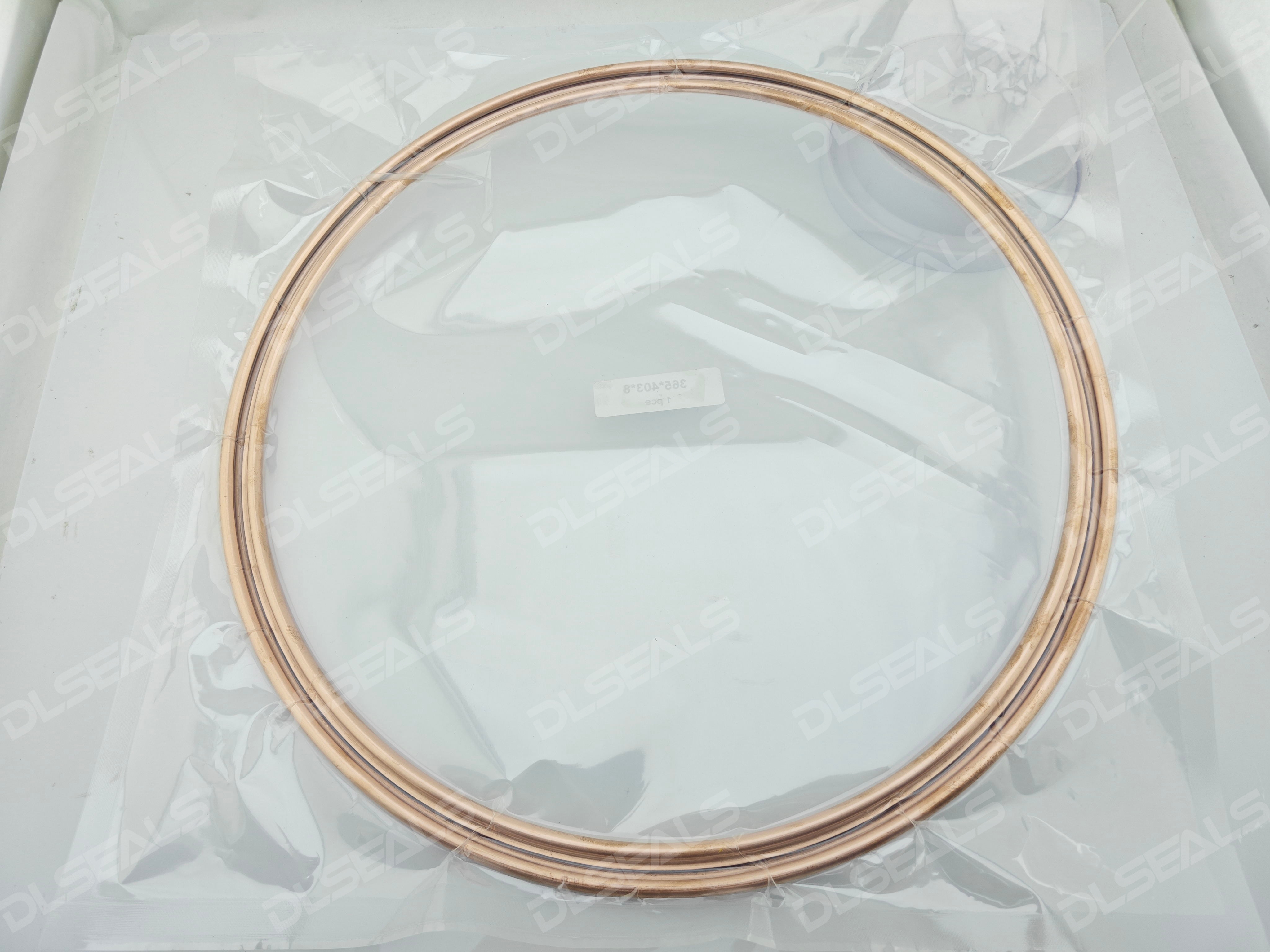
 In industrial pipeline systems, butterfly valves serve as critical fluid control devices widely used in water treatment, petrochemicals, power energy, and many other fields. One of the core technologies of butterfly valves lies precisely in their seal – this seemingly simple component carries the responsibility for the safe and efficient operation of the entire valve system. This article will explore in depth the importance, material selection, functional characteristics, and significant advantages of butterfly valve seals.
I. Importance: The First Line of Defense for System Safety
The importance of butterfly valve seals cannot be underestimated, as they directly determine the performance of the entire valve system:
- Critical Leakage Barrier: In the transportation of hazardous media such as chemicals and petroleum, seals serve as the first line of defense against harmful substance leakage, relating to personnel safety and environmental protection.
- System Efficiency Guarantee: Excellent sealing performance ensures leak-free media transportation, reduces energy loss, and improves the operational efficiency of the entire pipeline system.
- Determinant of Valve Service Life: The durability of the seal directly affects the maintenance cycle and service life of butterfly valves. High-quality seals can significantly reduce equipment replacement frequency and maintenance costs.
- Process Precision Controller: In industrial processes requiring precise flow control, the sealing quality of the seal directly impacts the stability of process parameters and product quality.
II. Material Science: Diverse Selection and Application
Modern butterfly valve seal material science has developed multiple options to meet different operating condition requirements:
- Rubber Materials
- Nitrile Butadiene Rubber (NBR): Excellent oil resistance, suitable for petroleum-based fluids.
- Ethylene Propylene Diene Monomer (EPDM): Outstanding weather resistance, suitable for water treatment and outdoor environments.
- Fluorocarbon Rubber (FKM): Excellent high-temperature and chemical resistance, suitable for demanding operating conditions.
- Engineering Plastics
- Polytetrafluoroethylene (PTFE): Strong chemical inertness, resistant to almost all chemical media.
- Ultra-High Molecular Weight Polyethylene (UHMWPE): Excellent wear resistance, suitable for media containing particles.
- Metal Seal Materials
- Stainless Steel: Heat and high-pressure resistant, used in extreme conditions.
- Special Alloys: Specifically designed for particular corrosive media.
- Composite Materials
- Combine advantages of different materials, such as rubber-coated metal skeletons, balancing elasticity and strength.
III. Core Functions: Multidimensional Performance
Butterfly valve seals perform multiple critical functions:
- Excellent Sealing Performance
- Forms leak-free seals when valves close.
- Adapts to micro-irregular surfaces between valve bodies and discs.
- Maintains long-term stable sealing effects.
- Pressure and Temperature Adaptability
- Maintains sealing integrity during system pressure changes.
- Withstands thermal expansion and contraction within operating temperature ranges.
- Cushions pressure fluctuation impacts on valves.
- Media Compatibility
- Resists chemical corrosion from transported media.
- Prevents material degradation from media penetration.
- Avoids media contamination from seal materials.
- Mechanical Performance
- Withstands friction and wear from repeated valve opening and closing.
- Maintains appropriate elasticity to ensure sealing contact pressure.
- Resists permanent deformation under long-term compression.
IV. Significant Advantages: Results of Technological Evolution
Modern butterfly valve seals offer significant advantages compared to traditional designs:
- Long Service Life and Low Maintenance
- High-quality materials enable seal life from several years to decades.
- Reduce downtime maintenance, improving system availability.
- Easy replacement lowers maintenance costs and technical requirements.
- Wide Applicability
- Material diversity enables application in temperature ranges from -50°C to 300°C.
- Withstands conditions from vacuum to hundreds of kilograms of pressure.
- Suitable for various fluids: water, oil, gas, chemical media.
- Significant Economic Benefits
- Preventing media leakage directly saves material costs.
- Reduces energy loss, improves system energy efficiency.
- Extends overall valve life, reduces equipment investment.
- Safety and Environmental Protection
- Effectively prevents hazardous media leakage, ensuring personnel safety.
- Avoids environmental pollution from harmful substances.
- Complies with increasingly stringent safety and environmental regulations.
- Innovations from Technological Advancement
- Bidirectional sealing technology enables sealing in both flow directions.
- Fire-safe designs maintain basic sealing even at high temperatures.
- Zero-leakage standards meet the strictest industrial requirements.
Conclusion
Butterfly valve seals, though small, are indispensable core components of modern industrial fluid control systems. With continuous advancement in material science and manufacturing technology, seals are evolving toward longer service life, broader application ranges, and higher performance parameters. When selecting butterfly valves, seal quality and technical characteristics should be key considerations, as they affect not only individual valve performance but also the safety, efficiency, and economy of the entire pipeline system. Understanding and valuing this “silent guardian” is essential for ensuring reliable operation of industrial systems.
Post time: Dec-10-2025