
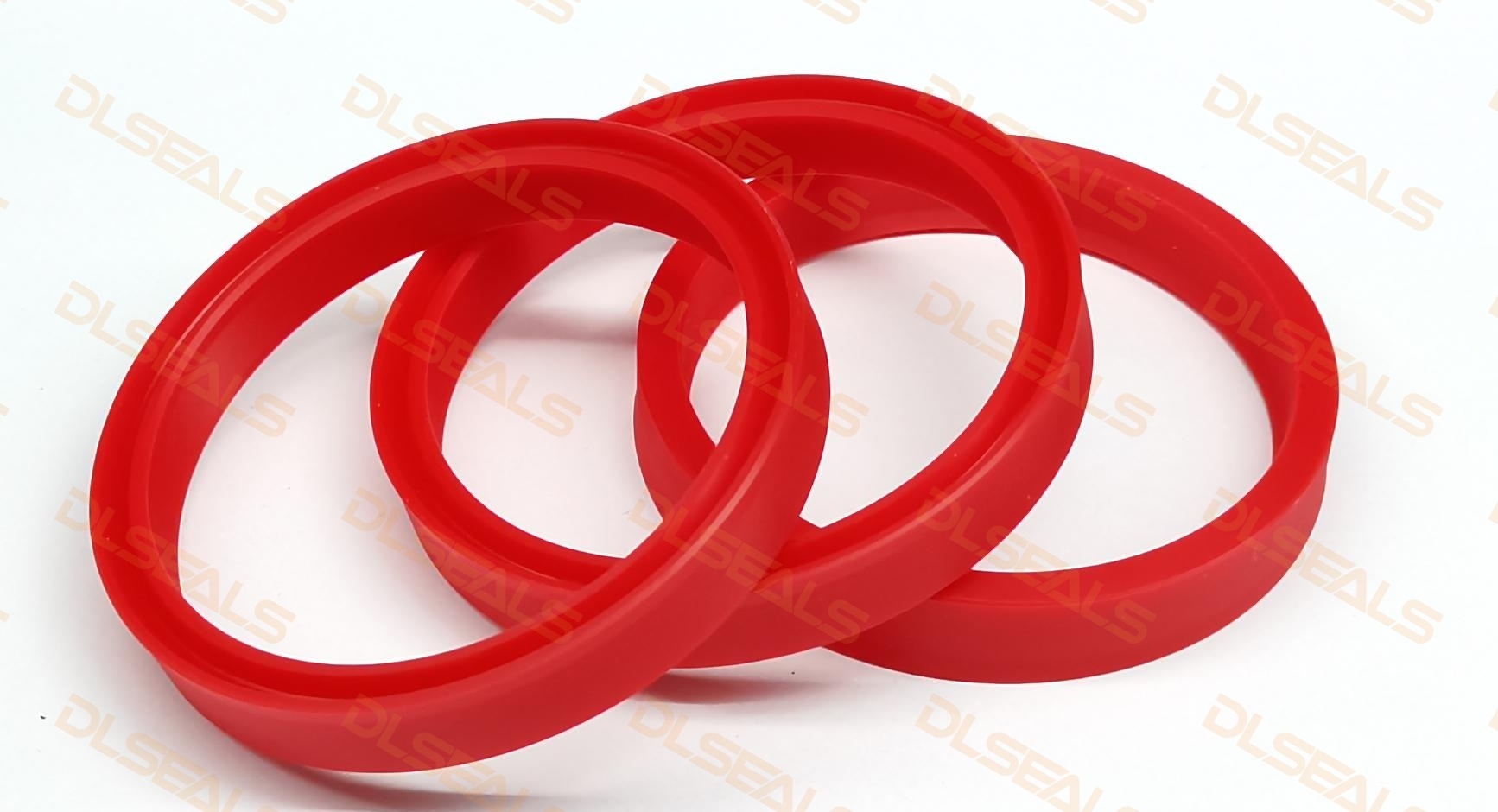
In complex hydraulic transmission systems, a seemingly small yet crucial component—the hydraulic oil seal—silently plays the role of a “guardian.” Positioned between the rotating shaft and the housing, it securely contains hydraulic fluid within the working chamber while firmly blocking external contaminants such as dust, mud, and impurities. Its performance directly determines the reliability, stability, and long-term efficiency of the entire hydraulic system.
Core Performance: Building a Tight Defense Line
The performance of hydraulic oil seals is a multi-dimensional system, primarily reflected in the following aspects:
- Excellent Sealing Performance
This is the most fundamental and critical function of an oil seal. Its core lies in the dynamic fluid film—an extremely narrow (typically micrometer-level) layer formed between the lip and the rotating shaft. This oil film, under the combined effects of surface tension and hydrodynamic pressure, achieves an almost “zero-leakage” seal. High-quality seals can maintain this stable sealing state over the long term, even under conditions of high and low pressure cycles and high-speed shaft rotation.
- Outstanding Material Properties
Modern hydraulic oil seals are often made of high-performance elastomers, such as fluorocarbon rubber (FKM), nitrile rubber (NBR), and polyurethane (PU). These materials provide the seals with:
- Broad Temperature Resistance: Ability to maintain elasticity and strength across a temperature range from -40°C to over 200°C.
- Excellent Media Resistance: Resistance to various hydraulic oils, lubricants, gear oils, and certain chemical solvents, preventing swelling, aging, or hardening of the material.
- Superior Wear Resistance: The lip material can withstand long-term, high-speed friction against the shaft surface, ensuring a long service life.
- Ingenious Structural Design
An oil seal is not just a simple rubber ring. Its design is full of thoughtful details:
- Primary Lip and Dust Lip: The primary lip retains the oil, while the dust lip faces outward, forming a second line of defense for bidirectional protection.
- Spring Tensioning: The garter spring behind the primary lip automatically compensates for wear, ensuring a constant radial force on the shaft diameter throughout its service life—key to achieving long-term sealing.
- Hydrodynamic Design: Some oil seals feature unidirectional or bidirectional return grooves (spiral ribs, ridges, etc.) on the lip contact surface. When the shaft rotates, these grooves create a “pumping effect,” actively drawing any potentially leaking fluid back into the system, thereby enhancing sealing effectiveness.
- Stable Manufacturing and Quality
Precision molds ensure dimensional consistency, metal casings provide reliable interference fit and installation strength, and specialized surface treatments guarantee a secure bond with various mounting holes.
Comprehensive Advantages: Driving System Value
Based on the above performance attributes, high-quality hydraulic oil seals deliver irreplaceable core advantages to hydraulic systems:
- High Reliability and Long Service Life
Capable of withstanding harsh operating conditions (high pressure, high speed, extreme temperature fluctuations, contamination), they significantly reduce unscheduled downtime due to seal failure, extend equipment overhaul intervals, and improve overall reliability and availability.
- Excellent Energy Savings and Environmental Benefits
Extremely low leakage rates mean reduced hydraulic fluid consumption, directly lowering operating costs and fluid procurement expenses. Additionally, near-zero external leakage effectively prevents soil and water contamination, meeting increasingly stringent environmental regulations and creating a cleaner working environment.
- Critical System Protection
Efficient dust prevention stops abrasive particles from entering the system, protecting precision components such as valve spools, pumps, and motors. This significantly reduces wear on critical elements, extends the service life of the entire hydraulic system, and avoids chain failures and costly repairs caused by contamination.
- Broad Adaptability to Operating Conditions
Through different material formulations, structural designs, and spring configurations, modern hydraulic oil seals can adapt to virtually all application scenarios—from low-pressure, low-speed to ultra-high-pressure, high-speed environments, from ordinary mineral oils to fire-resistant synthetic esters, and from construction machinery to precision machine tools—combining versatility with specificity.
Conclusion
Hydraulic oil seals exemplify “small size, great responsibility” in modern industrial power transmission systems. Their evolving material technology and meticulously refined structural design are foundational to ensuring the efficient, reliable, and clean operation of hydraulic systems. Choosing a high-performance hydraulic oil seal is not merely an investment in a component but a wise investment in the long-term stable operation of equipment, reduced comprehensive maintenance costs, and a commitment to green manufacturing principles.
Post time: Mar-06-2026