
Introduction
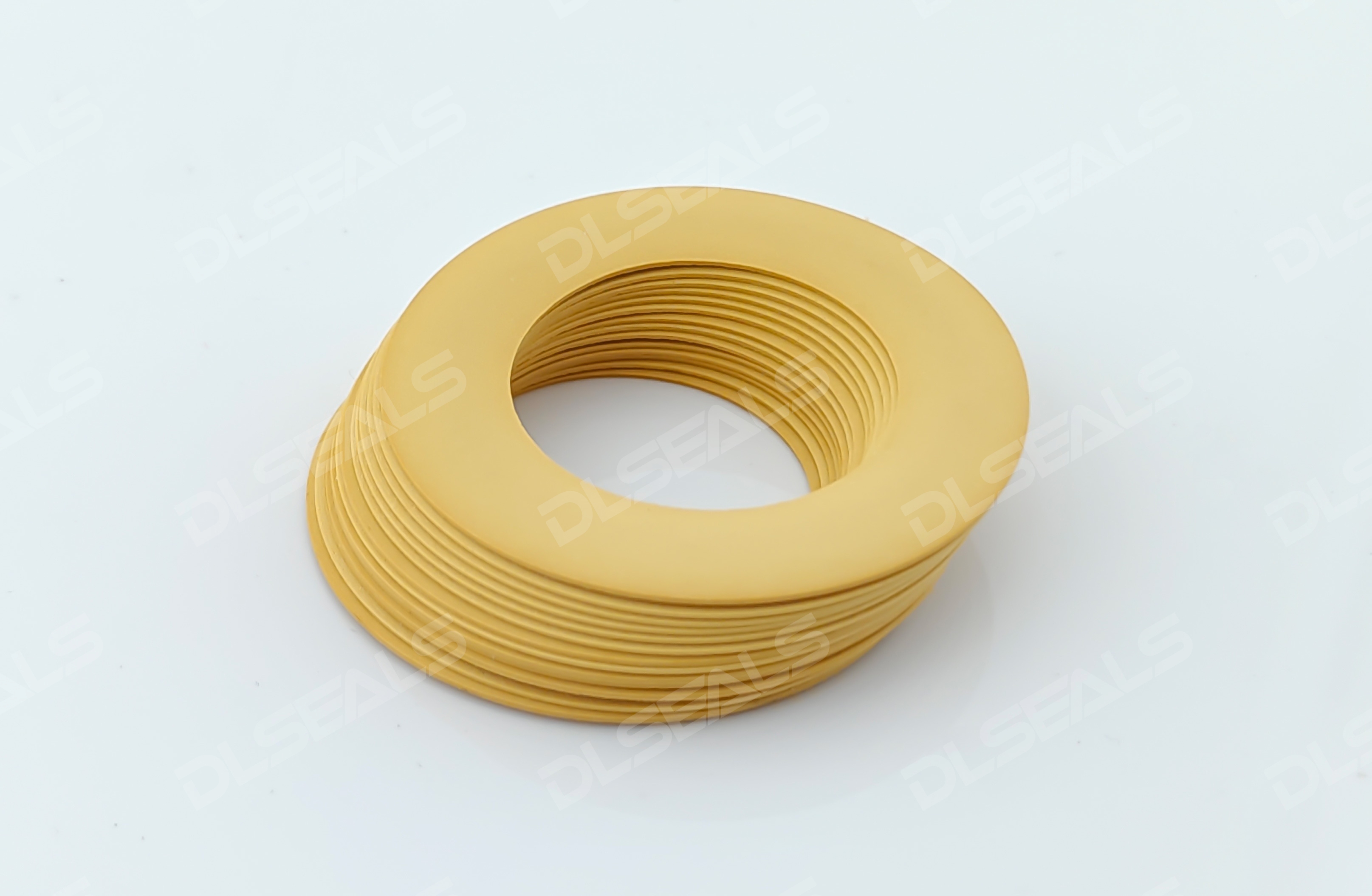
PTFE cup seals (also known as PTFE piston cups or leather cups in some contexts) serve as core sealing elements in reciprocating systems. Made primarily from polytetrafluoroethylene (PTFE), they offer an extremely low friction coefficient (0.02–0.10), outstanding chemical stability, and a wide temperature range (−200°C to +260°C), making them the preferred choice for hydraulic, pneumatic, chemical pumps, compressors, and similar equipment.
However, virgin PTFE has limitations in mechanical strength and wear resistance. Under high loads, dry friction, or media containing particles, it experiences premature wear and leakage, resulting in frequent downtime and replacements — a major driver of high maintenance costs.
The game-changer is filler modification: Adding 15%–60% of specific fillers can increase wear life by several times — even up to 10× or more — dramatically extending replacement intervals, reducing downtime, and shrinking spare parts inventory. Real-world industrial cases show that selecting the optimal filler can reduce total maintenance expenses by 50%–80% (depending on operating conditions).
This guide breaks down filler upgrade paths, performance comparisons, and selection logic to help engineers and procurement teams “select once, save long-term.”
Common Types and Structures of PTFE Cup Seals
By structure:
- Piston cups: PW series (flat or curved lip), for reciprocating motion sealing
- U-cup / lip-type cups: Suitable for rod sealing or bidirectional applications
- Support ring + cup combinations: Common in high-pressure, high-load scenarios
By filler (the most critical classification):
- Virgin PTFE → Glass fiber → Carbon / Graphite → Bronze → Polyimide / Ceramic / proprietary formulations
How Fillers Directly Determine Maintenance Costs
Fillers address PTFE’s weaknesses: virgin material excels in chemical resistance, temperature tolerance, and self-lubrication, but is weak in wear resistance, creep resistance, and extrusion resistance. With fillers:
- Wear resistance improves 5–1000× (depending on type and percentage)
- Service life extends → replacement cycles shift from months to years
- Downtime decreases → production losses drop sharply
- Spare parts stock reduces → capital tied up decreases
The table below summarizes mainstream fillers’ impact on life and maintenance cost (based on industry data and field experience):
| Filler Type | Typical % | Wear Resistance Gain (vs. Virgin PTFE) | Friction Change | Key Advantages | Maintenance Cost Reduction Potential | Typical Applications | Notes |
|---|---|---|---|---|---|---|---|
| Virgin PTFE | — | 1× | Extremely low | Best chemical stability & self-lubrication | Baseline (high cost) | Low-load, clean media | Short life in dry/high-load |
| Glass Fiber | 15–25% | 5–10× | Slightly higher | High compressive strength, creep resistance, best value | 40–60% | Hydraulic cylinders, general pumps | Mildly abrasive to mating surface |
| Carbon / Carbon Fiber | 10–30% | 10–50× | Lower | Excellent thermal conductivity, wear resistance, good for dry/semi-dry | 60–80% | Oil-free compressors, chemical pumps | Conductive (ESD consideration) |
| Graphite | 5–15% | 8–20× | Even lower | Superior self-lubrication, dry-running preferred | 50–75% | High-temp dry, vacuum equipment | Lower strength |
| Bronze | 40–60% | 15–40× | Medium | Outstanding thermal conductivity, load capacity | 50–70% | High-pressure, high-speed reciprocating | Higher friction, moderate chem resistance |
| Polyimide (PI) | 10–20% | 20–100× | Extremely low | Ultra-low friction, non-abrasive, dry-running champion | 70–85%+ | Non-lubricated piston rings | Highest cost |
| Ceramic / Proprietary | Varies | 30–1000× | Low–medium | Extreme longevity, high-temp stability, low CTE | Highest (multi-year maintenance-free) | Extreme conditions, food/medical grade | High cost, processing difficulty |
Real case examples:
- An oil-free air compressor user switched to a high-performance proprietary PTFE formulation → seal replacement interval extended from weeks to years, total maintenance cost reduced ~70–80%.
- Hydraulic systems using glass + bronze composite fillers achieved 3–5× longer cup life, cutting annual spare parts expense by over 60%.
Practical Advanced Selection Guide: How to Achieve “80% Savings”
- Define the four key operating parameters (to guide filler choice):
- Lubrication? (Dry → prioritize PI / Graphite / Carbon)
- Media? (Highly corrosive → virgin / ceramic; abrasive particles → bronze / carbon)
- Pressure / speed / temperature? (High pressure & speed → bronze / glass; high temp → PI / ceramic)
- Mating surface material? (Soft metals → avoid glass, choose PI / carbon)
- Quick cost vs. benefit decision:
- Limited budget, moderate conditions → Glass fiber or carbon (best value, 40–60% savings) -追求 ultimate low-maintenance → PI or premium proprietary fillers (higher upfront, lowest total cost of ownership, 70–85%+ savings)
- Food / medical grade → FDA-compliant wollastonite / ceramic fillers
- Validation loop: Pilot small batch → monitor wear / leakage → calculate actual ROI (usually visible within 3–12 months)
Conclusion
The true performance ceiling of PTFE cup seals lies not in the base material, but in filler selection precision. Get it right once, and frequent replacements turn from a “cost sink” into a “savings engine” — doubled or tripled life, slashed downtime, reduced inventory, and total maintenance costs easily cut by 50%–80%.
If you are still using virgin PTFE or outdated filler grades, compare against the table above and re-evaluate: the next maintenance cycle could mark the start of a dramatic cost drop.
Need a tailored filler recommendation for your specific equipment / conditions? Provide more parameters and I can help estimate your potential savings.
Post time: Jan-13-2026