
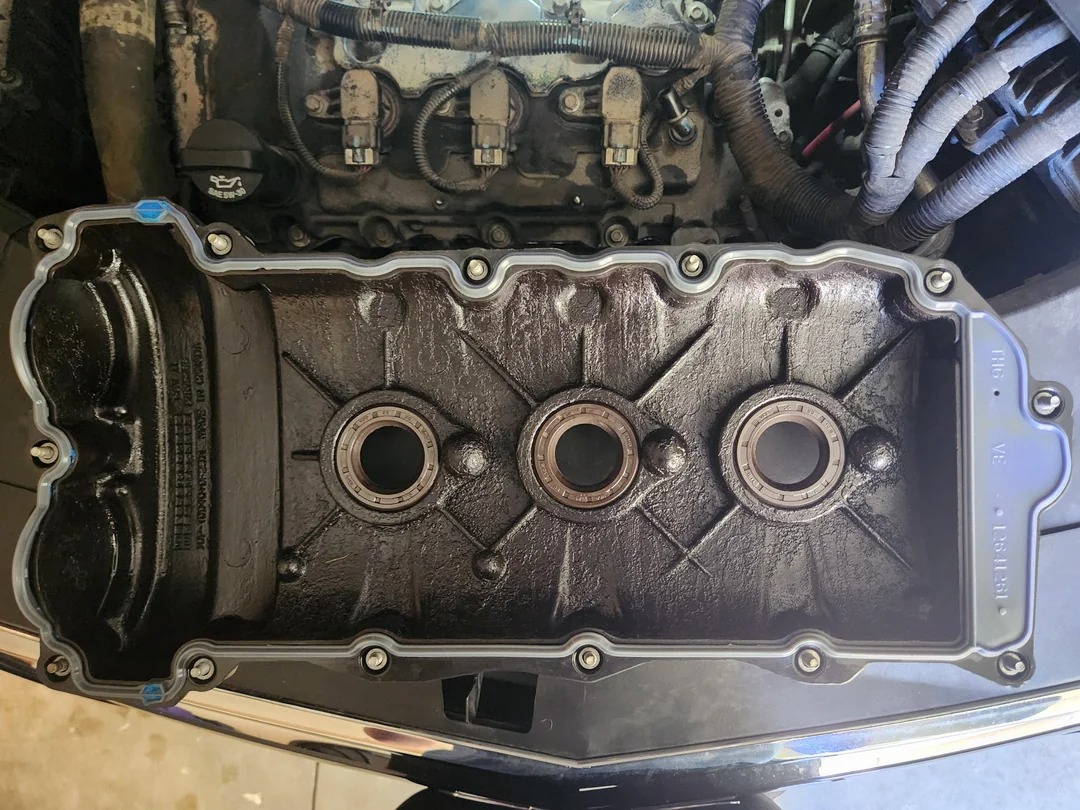
In the complex architecture of a car engine, some components capture attention through their roar or power output—like pistons, turbochargers, or crankshafts. However, a modest, inexpensive part quietly carries the heavy responsibility of maintaining engine health and cleanliness: the Valve Cover Gasket.
Though it is merely a thin sealing barrier, its failure can trigger a chain reaction ranging from visual mess to vehicle fires.
What is a Valve Cover Gasket?
Located between the valve cover (on top of the engine) and the cylinder head, its mission is singular: sealing. As the engine runs, oil is pumped to the top of the head to lubricate high-speed components like camshafts and rockers. The gasket locks this oil inside, preventing leaks and keeping dust or moisture out.
Evolution of Materials
-
Cork/Composite: Used in older vehicles; cheap, but prone to becoming brittle and cracking.
-
Rubber (Nitrile/Viton): The modern standard. Highly elastic and oil-resistant, adapting to intense thermal expansion.
-
Silicone: Common in performance or aftermarket builds, offering superior heat resistance and longevity.
Signs of Failure
As a rubber wear item, the gasket eventually loses elasticity and hardens due to extreme heat and chemical exposure. Watch for:
-
Oil Seepage: Dark grime or oil stains around the top edges of the engine.
-
Burning Smell: Oil dripping onto a hot exhaust manifold creates a pungent acrid odor.
-
Drowned Spark Plugs: If the inner seals fail, oil can fill the spark plug wells, causing misfires.
Why You Shouldn’t Wait
Ignoring a leak is a gamble. Oil hitting a red-hot exhaust pipe is a major fire hazard. Furthermore, oil can degrade nearby rubber belts and cooling hoses, leading to more expensive repairs.
Post time: Apr-13-2026