
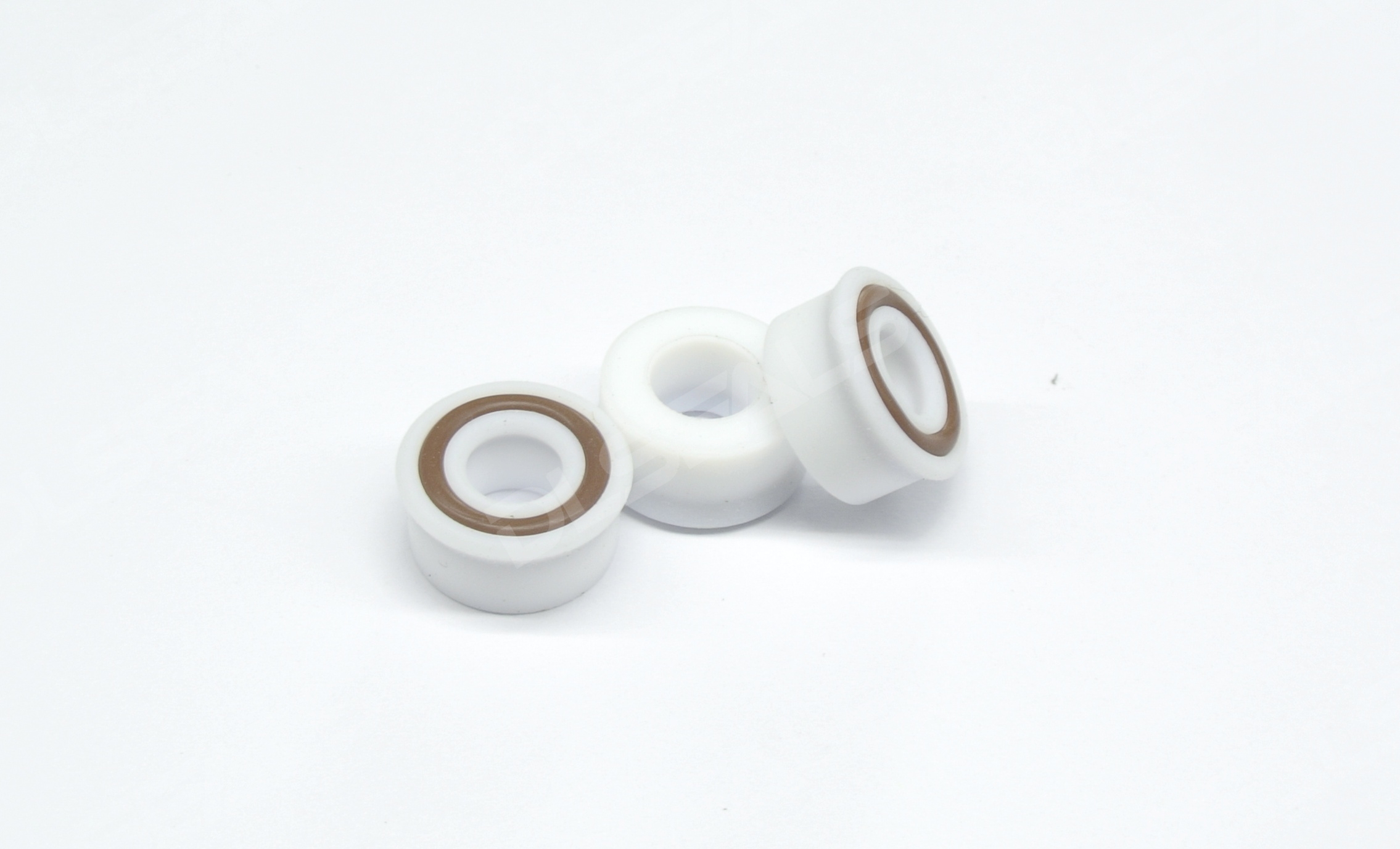
In the food processing, pharmaceutical, biotechnology, and medical industries, sealing materials are far more than simple anti-leakage components. They play a critical role in hygiene safety, equipment reliability, and product quality. Because these industries frequently involve high-temperature sterilization, CIP/SIP cleaning systems, chemical disinfectants, and ultra-clean environments, sealing materials must offer excellent resistance to temperature extremes, chemicals, steam, and aging while maintaining low extractables and high biocompatibility.
Compared with conventional industrial sealing materials, food and medical grade seals are generally required to comply with standards such as FDA, USP Class VI, 3-A Sanitary Standards, and EU 1935/2004.
Common Food & Medical Grade Sealing Materials
Silicone (VMQ)
Silicone is one of the most widely used sealing materials in food and medical applications due to its non-toxic nature, excellent flexibility, and strong physiological inertness. It is commonly used in medical tubing, food equipment, and respiratory devices.
Typical operating temperature range:
- -60°C to +220°C
- Special compounds up to +250°C
Typical pressure capability:
- Static sealing applications up to approximately 10 MPa
- Excellent performance under vacuum conditions
Silicone offers good resistance to:
- Hot water and steam
- Alcohols
- Ozone and UV exposure
- Mild acids and alkalis
However, it is generally not suitable for:
- Mineral oils
- Petroleum-based fluids
- Aromatic hydrocarbons
- Strong acids or concentrated alkalis over long periods
Typical applications include:
- Medical devices
- Infusion systems
- Food filling machinery
- Bakery and dairy equipment
EPDM (Ethylene Propylene Diene Monomer)
EPDM is extensively used in food, beverage, and pharmaceutical industries, especially in hot water and steam environments.
Typical operating temperature range:
- -40°C to +150°C
- Recommended below 140°C in continuous steam applications
Typical pressure capability:
- Static sealing up to 10–25 MPa
EPDM provides excellent resistance to:
- Steam and hot water
- CIP cleaning chemicals
- Diluted acids and alkalis
- Alcohol-based solutions
- Ozone and weathering
However, EPDM is not recommended for contact with:
- Mineral oils
- Animal and vegetable oils
- Petroleum lubricants
- Aromatic solvents
Typical applications include:
- Beverage production lines
- Pharmaceutical systems
- CIP/SIP equipment
- Dairy and fermentation systems
Fluoroelastomer (FKM / Viton)
FKM is widely used in applications requiring strong chemical resistance and high-temperature stability.
Typical operating temperature range:
- -20°C to +220°C
- Special grades up to +250°C
Pressure resistance:
- Often exceeds 30 MPa in suitable sealing designs
FKM offers excellent resistance to:
- Oils and fats
- Organic solvents
- Acids
- Various chemical fluids
It also provides low compression set and excellent long-term sealing stability.
However, FKM is less suitable for prolonged exposure to:
- High-temperature steam
- Hot water
- Ketones
- Amines
Typical applications include:
- Pharmaceutical chemical systems
- High-temperature sterilization equipment
- High-purity fluid handling
- Medical pumps and valves
PTFE (Polytetrafluoroethylene)
PTFE is widely recognized for its nearly universal chemical resistance and exceptional cleanliness, making it ideal for highly corrosive and hygienic environments.
Typical operating temperature range:
- -200°C to +260°C
Typical pressure capability:
- Above 35 MPa depending on seal design and fillers
PTFE is highly resistant to:
- Strong acids and alkalis
- Steam
- Organic solvents
- Alcohols
- Cleaning and disinfecting agents
Additional advantages include:
- Extremely low friction coefficient
- Non-stick surface
- Non-toxic characteristics
- Outstanding cleanliness
However, PTFE has relatively poor elasticity and is prone to cold flow, so it is often combined with spring-energized sealing structures.
Typical applications include:
- Biopharmaceutical equipment
- Ultra-pure fluid systems
- Sterile filling equipment
- Medical-grade valves and pumps
FFKM (Perfluoroelastomer)
FFKM is considered one of the highest-performance sealing materials available for pharmaceutical, semiconductor, and high-purity industries. It combines the elasticity of rubber with PTFE-like chemical resistance.
Typical operating temperature range:
- -15°C to +320°C
Typical pressure capability:
- Up to approximately 35 MPa
FFKM demonstrates outstanding resistance to:
- Strong acids and alkalis
- High-temperature steam
- Oxidizing chemicals
- Organic solvents
- Sterilization agents
It also offers extremely low extractables and very long service life.
Its main disadvantages are:
- Very high cost
- Complex manufacturing process
Typical applications include:
- Biopharmaceutical systems
- Sterile pharmaceutical processing
- Semiconductor clean equipment
- High-end medical devices
Effects of Chemical Media on Sealing Materials
Steam and Hot Water
High-temperature steam accelerates rubber aging and increases compression set.
Recommended materials for steam environments:
- EPDM
- FFKM
- Steam-grade PTFE
Standard FKM and NBR are generally not recommended for long-term steam exposure.
Acidic and Alkaline Cleaning Chemicals
CIP systems commonly use nitric acid, phosphoric acid, and sodium hydroxide solutions.
Among common sealing materials:
- PTFE and FFKM provide the best overall chemical resistance
- EPDM performs particularly well in alkaline environments
- FKM is more suitable for acidic media
Standard silicone may swell or degrade in concentrated alkaline solutions.
Alcohols and Disinfectants
Ethanol, isopropanol, and hydrogen peroxide are commonly used in sanitation and sterilization processes.
The following materials generally perform well:
- Silicone
- PTFE
- FKM
- FFKM
Some EPDM compounds may exhibit slight swelling after prolonged alcohol exposure.
Material Selection Recommendations
For standard food processing equipment, EPDM and food-grade silicone are often the most economical and practical solutions due to their good steam resistance and hygienic properties.
In pharmaceutical, biotechnology, and ultra-clean applications, PTFE and FFKM are preferred because of their superior chemical resistance and sterilization performance.
Medical devices commonly utilize medical-grade silicone and PTFE because of their excellent biocompatibility and safety characteristics.
Conclusion
In the food and medical industries, sealing materials are not merely components for preventing leakage; they are critical elements that directly affect hygiene, operational reliability, and equipment lifespan.
When selecting sealing materials, engineers should carefully evaluate:
- Operating temperature
- Working pressure
- Chemical media
- Sterilization method
- Cleaning frequency
- Regulatory compliance requirements
Only by properly matching the sealing material to the application conditions can long-term, safe, and reliable sealing performance be achieved.
Post time: May-25-2026


