
In aero-engine design, the sealing efficiency of hot section components—such as the combustor outlet, turbine guide vanes, and casing joints—directly impacts the thrust-to-weight ratio, fuel efficiency, and operational safety. Because these areas operate under constant high to ultra-high temperatures, traditional organic materials are inadequate. Knitted Wire Mesh Gaskets, with their unique metallic physical properties and precision weaving, serve as a critical line of defense for aviation power.
1. Core Challenges: The Harsh Environment of Hot Sections
Sealing in aero-engines must address three extreme conditions:
-
Extreme High Temperatures: Operating temperatures can exceed $800^\circ\text{C}$ or higher, requiring exceptional thermal stability.
-
Intense Vibration: High-frequency vibrations from high-speed engine rotation demand excellent fatigue resistance and resiliency.
-
Thermal Expansion Differentials: Different metallic materials expand at different rates; the gasket must compensate for these micro-displacements to maintain airtightness.
2. Aviation-Grade Technical Optimization
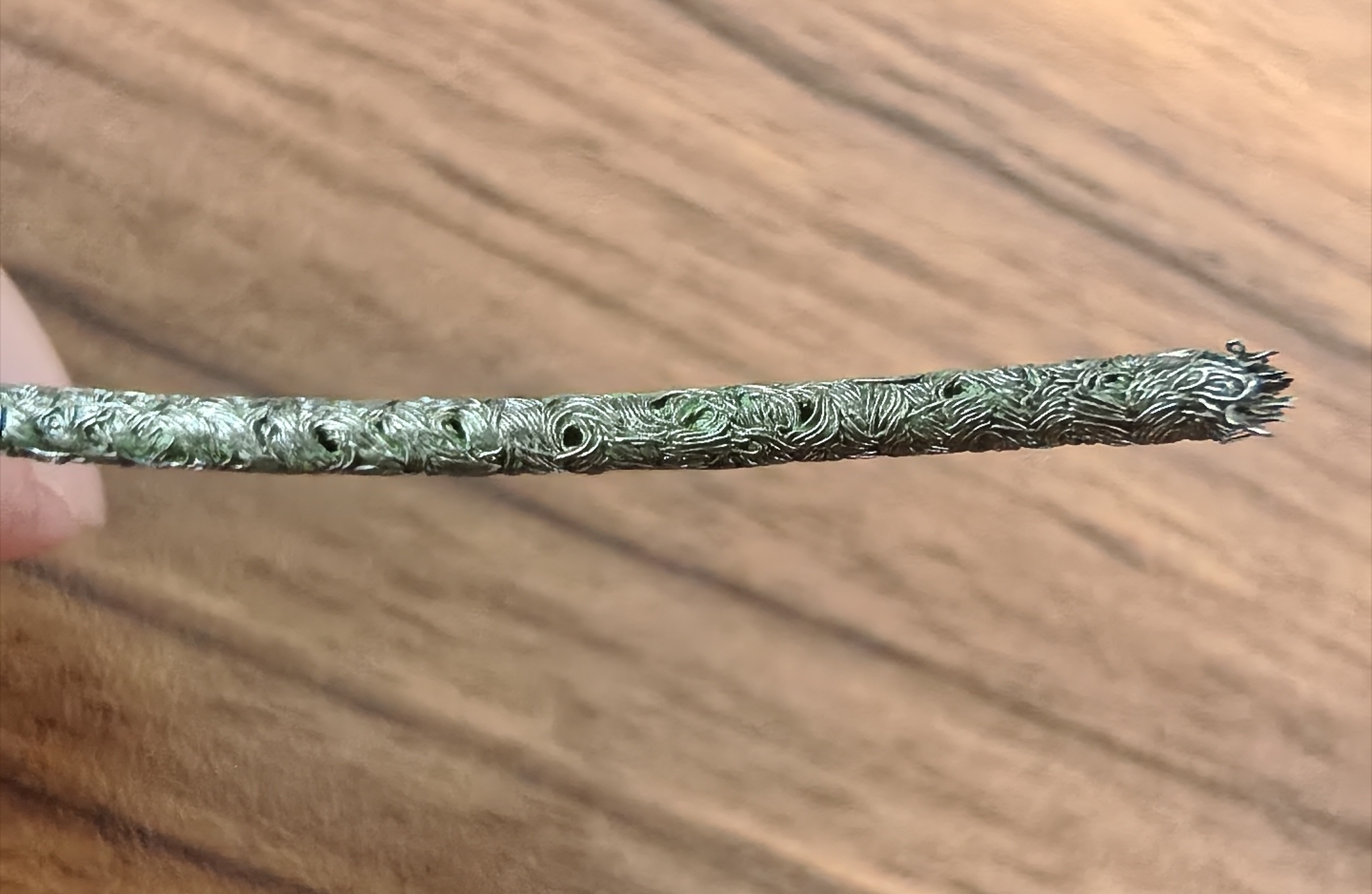
As seen in the structure of 1776827227660589206.jpg, gaskets for aero-engines feature advanced characteristics:
-
High-Temperature Superalloys: Materials like Inconel (600, 718) or Hastelloy are used for their superior oxidation and creep resistance.
-
Hybrid Weaving Structures: Often a composite of metal wire and functional fibers (like ceramic or quartz) to provide mechanical support alongside excellent thermal insulation.
-
High Resilience Design: The knitted mesh acts as countless micro-springs, ensuring the gasket returns to its shape after compression and resists permanent deformation under high-temperature cycles.
3. Key Applications
-
Turbine Casing Joints: Prevents high-pressure hot air leakage to ensure maximum airflow does work on the blades.
-
Combustor Assemblies: Withstands intense pressure fluctuations and thermal shock within the combustion chamber.
-
Exhaust Systems: Provides flexible displacement compensation and sealing in nozzle and afterburner regions.
Post time: Apr-24-2026


